Part two: Augustus
Once all potential military and political adversaries had been eliminated, Octavian changed face: he became Augustus and skillfully seized absolute power. Shrewd and prudent, he did not imitate Caesar, positioning himself as a staunch defender of the res publica, which must be understood as a State that had to be rebuilt after so many fratricidal conflicts.
It was time to move from war to peace, and lay the foundations for a new Golden Age, his own, that of the Pax Augusta. He himself speaks about it in the Res Gestae, the celebratory autobiography engraved on bronze tablets he had placed in front of his Mausoleum, and we know of it from a copy found in Antioch.
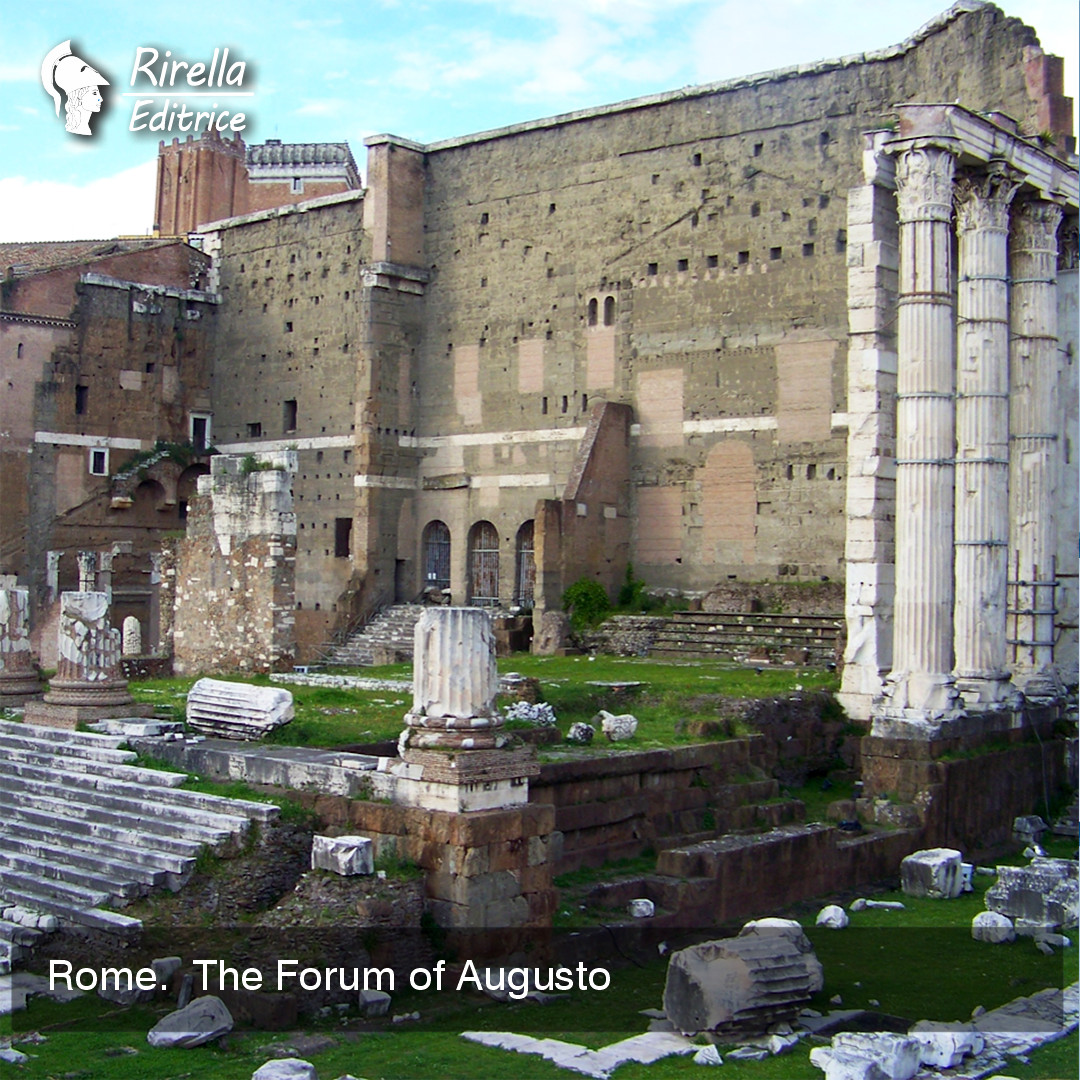
Augustus wrote: «In my sixth and seventh consulships, after I had extinguished the civil wars and assumed by universal consent control of all state affairs, I transferred the government of the res publica from my own power to the free will of the Senate and the Roman people. For this merit, by decree of the Senate I was named Augustus. From then on I was superior to all in authority, although I had no greater powers than all the others».
A masterpiece of propaganda: Octavian gives back his power to the Senate and the people, who acclaim him as Augustus. He creates his new image of magnanimous and modest man, a bulwark against the instability of the republican regime, in order to avoid new wars and power vacuums. The «primus inter pares» – the first among equals – who, coincidentally, «is superior in authority».
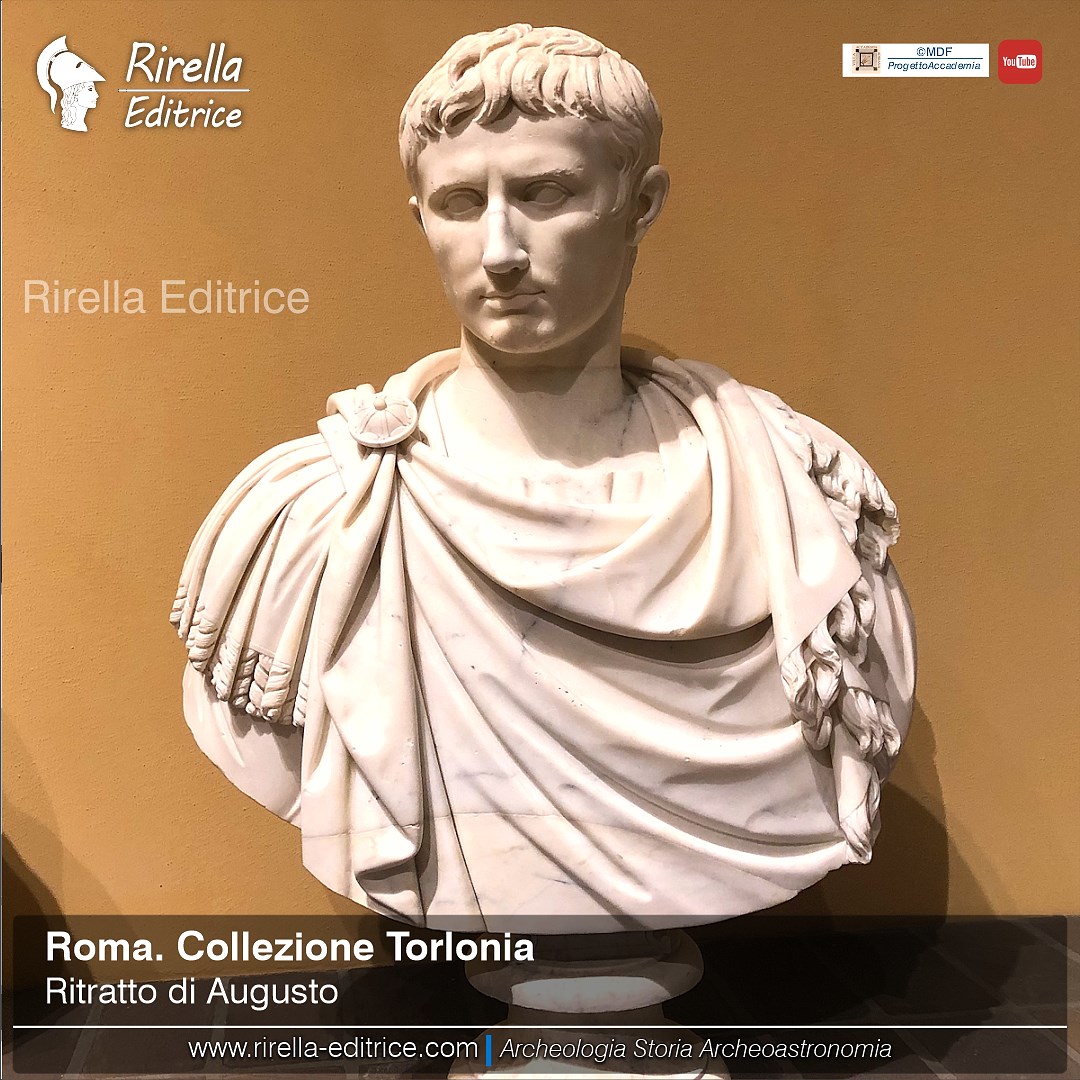
Thus, the face of Octavian fades into the shadows and is forgotten like a Mr. Hyde; the new face of Augustus takes over, and with him, the Rome of wood and straw is reborn and becomes resplendent with marble.
Augustus's power is also based on his marriage to Livia Drusilla, the mother of the future emperor Tiberius, who divorces her first husband and, with his consent, marries Augustus, who had fallen madly in love with her. In reality, it was also a political and dynastic marriage: the Gens Claudia, which was older and more noble, joins the Gens Julia, to which Augustus belonged. Thus began the Julio-Claudian dynasty, the first of the empire.
Augustus' succession was not painless, as over the years all of his chosen heirs died, and in the end only Tiberius, Livia's eldest son, remained.
An excellent general and a shrewd administrator, Tiberius assisted Augustus as co-regent during the last ten years of his reign, maintaining a low profile.
Having become emperor against his will, also because his nephew Germanicus was too young to rule, Tiberius managed the complex transition between Augustus' personal power, based on his charisma, and a structured and rational system of power centered on the figure of the Princeps, which had to be created from scratch.
For this reason, the true founder of the empire was Tiberius, not Augustus.